Restorative Dentistry Explained: Crowns, Bridges, and Implants in Ponchatoula, LA

Restorative dentistry in Ponchatoula, LA, is the branch of dental care focused on repairing damaged, decayed, or missing teeth so they look and function naturally again. If you've been putting off treatment for a cracked tooth or a gap in your smile, this guide covers the most common treatments, how long they last, and when it may be time to make an appointment.
What Is Restorative Dentistry?
This branch of dental care repairs teeth that have been damaged, decayed, or lost. Unlike cosmetic dentistry, which focuses mainly on appearance, restorative work targets both function and health, helping you chew comfortably, speak clearly, and protect your jaw structure.
Common treatments include fillings, crowns, bridges, dental implants, and dentures. Your dentist will recommend a treatment based on how many teeth are affected, how much tooth structure remains, and your overall oral health. Residents throughout Tangipahoa Parish, including Ponchatoula, LA, and nearby communities like Hammond, Amite, and Independence, often turn to restorative care after routine wear, untreated decay, or an unexpected injury.
Crowns, Bridges, Implants, and Dentures Explained
Dental Crowns
A dental crown is a cap that fits over a damaged or weakened tooth. Crowns protect teeth with large fillings, cracks, or root canal treatment, and can improve the shape of a tooth worn down over time. They are typically made from porcelain, ceramic, or metal alloys. With proper brushing, flossing, and regular checkups, a crown may last 10 to 15 years or longer.
Dental Bridges
A dental bridge fills the space left by one or more missing teeth. It consists of one or more artificial teeth held in place by crowns on the natural teeth on each side of the gap. Bridges restore chewing ability and prevent neighboring teeth from drifting out of alignment. With good oral hygiene and routine visits, a bridge may remain functional for 10 years or more.
Dental Implants
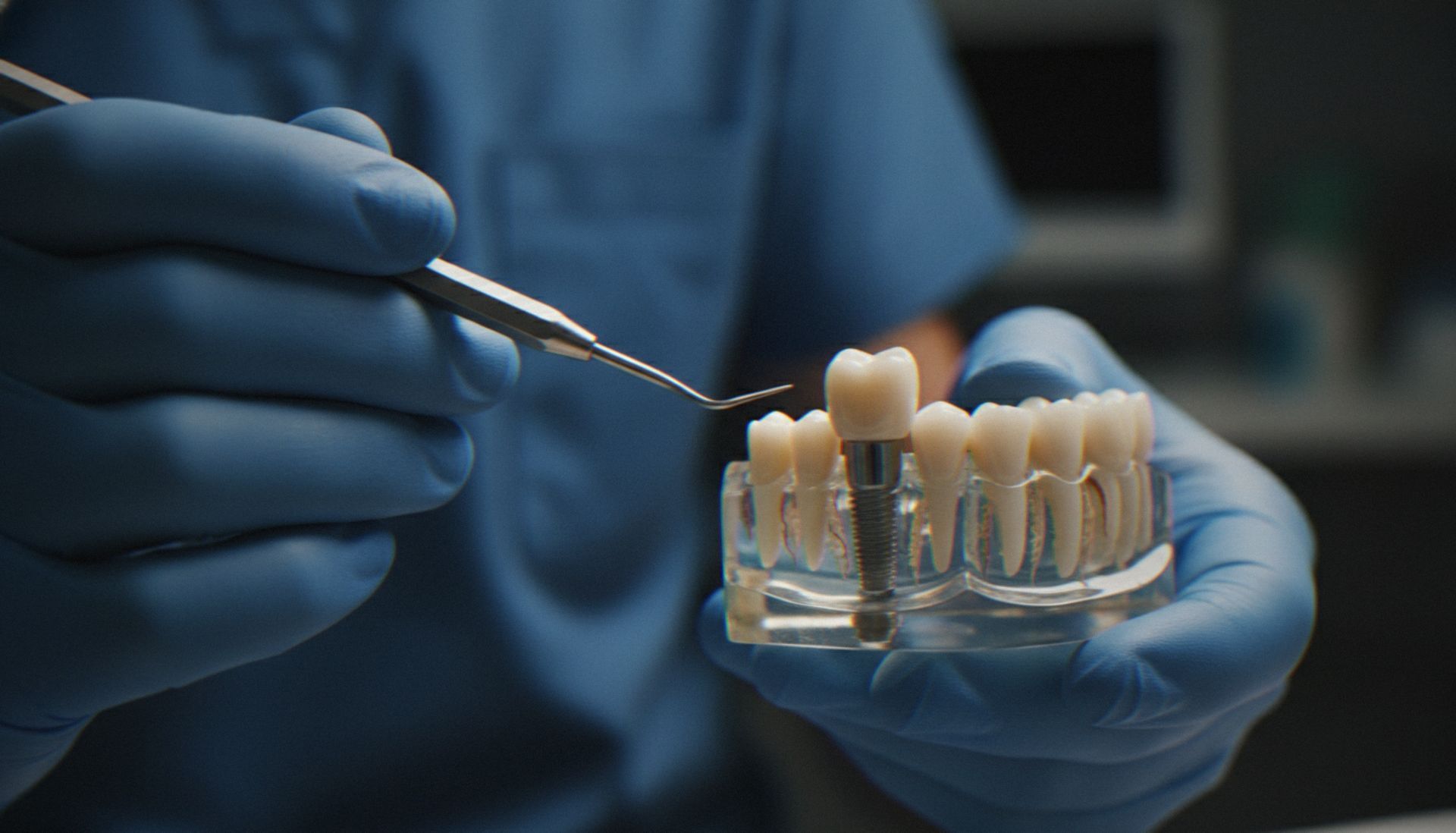
A dental implant is a small titanium post placed into the jawbone to act as an artificial tooth root. Once it integrates with the bone, a crown is attached on top, creating a replacement that looks and feels much like a natural tooth. Implants help preserve jawbone density that would otherwise be lost after extraction. Candidates generally need sufficient bone density and good overall oral health.
Dentures
Dentures are removable appliances that replace several missing teeth or an entire arch. They restore chewing ability and help support the shape of your face. Partial dentures fill gaps when some natural teeth remain; full dentures replace all teeth on the upper or lower jaw.
Signs You May Need Restorative Care
Patients exploring restorative dentistry often come in after noticing one or more of these warning signs:
- A tooth that is cracked, chipped, or broken.
- Ongoing tooth pain or sensitivity to hot and cold.
- A visible cavity or dark spot on a tooth.
- A missing tooth or a gap in your smile.
- Difficulty chewing on one side of your mouth.
- A loose crown or an old bridge that no longer fits well.
Louisiana's warm, humid climate can contribute to dry mouth and increased plaque buildup, which may accelerate decay when oral hygiene routines are not consistent. Routine checkups allow a dentist to catch problems early before they require more extensive work.
How Long Do Restorative Treatments Last?
Longevity depends on the type of restoration, the materials used, and how well you care for your teeth at home. Crowns and bridges may last a decade or longer with proper care. Implants can potentially last many years when supported by healthy bone and good hygiene. Dentures may need adjustments or replacement over time as your jaw changes shape. Regular exams allow your dentist to spot early signs of wear or new decay around a restoration before a larger problem develops.
Frequently Asked Questions
Which treatments are considered restorative?
Restorative dentistry can include fillings, crowns, bridges, implants, and dentures. Each treatment addresses a specific type of damage or tooth loss based on your individual needs.
Am I a candidate for dental implants?
You may be a candidate if you have adequate jawbone density, healthy gums, and good overall health. A personalized evaluation is the best way to find out.
Can a crown or bridge be replaced?
Yes. Crowns and bridges can wear down or become damaged over time. Regular exams help identify when a restoration is no longer performing well.
Do restorative treatments hurt?
Most procedures involve local anesthesia to minimize discomfort. Some sensitivity or mild soreness afterward is normal and typically short-lived. Your dental team can walk you through what to expect for your specific treatment.
Ready to Restore Your Smile in Ponchatoula?
If you've been living with a damaged or missing tooth, there is no reason to wait. Dental Care Associates offers restorative dentistry, serving patients throughout the surrounding area with crowns, bridges, implants, and dentures. The team is focused on personalized, comfortable care designed to help you regain full function and a natural-looking smile.
To learn more, visit the
restorative dental services page or
contact the office to schedule your appointment. Find us on Google and read what patients are saying:
Dental Care Associates.